What Working in Anambas has Taught me about Rural Island Communities and Marine Conservation
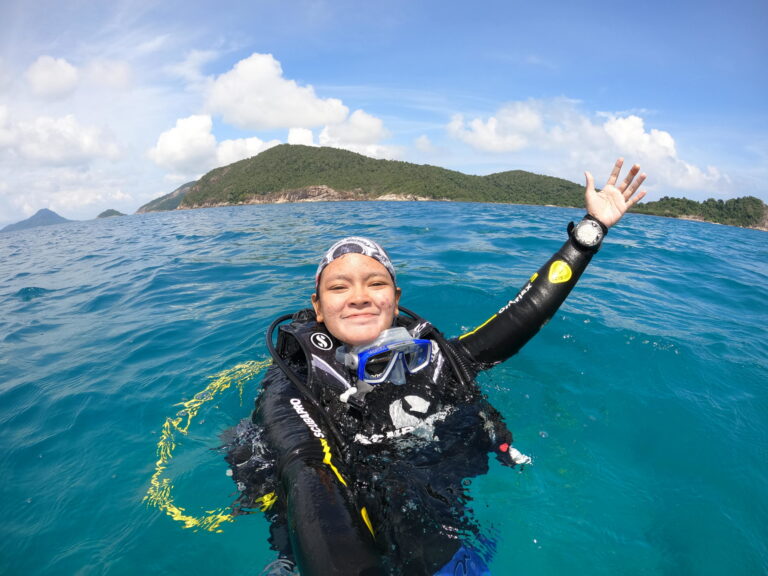
This past year of living on a remote island has taught me a lot, not just about marine conservation but also working alongside local island communities.

This past year of living on a remote island has taught me a lot, not just about marine conservation but also working alongside local island communities.
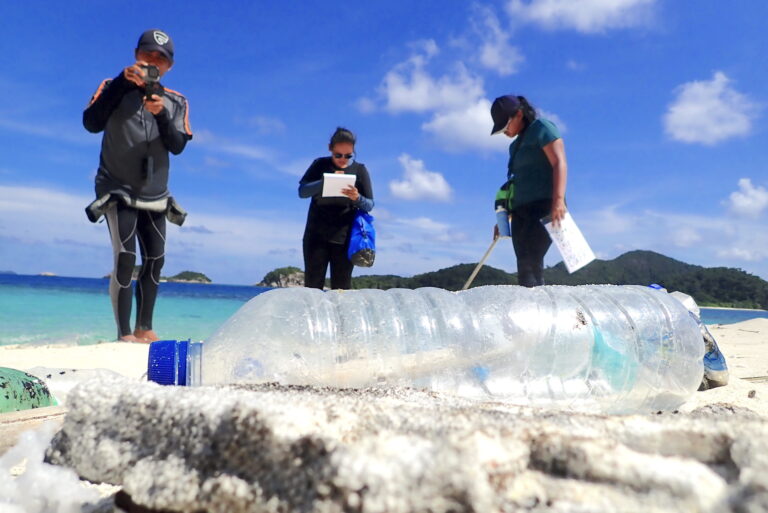
There are many different variations of marine debris we have discovered to date, ranging from food wrappers, plastic bottles to styrofoam, some are even decades old. We quite often also find discarded nets, fishing gears and life vests that have been left abandoned in the ocean by irresponsible fishermen.
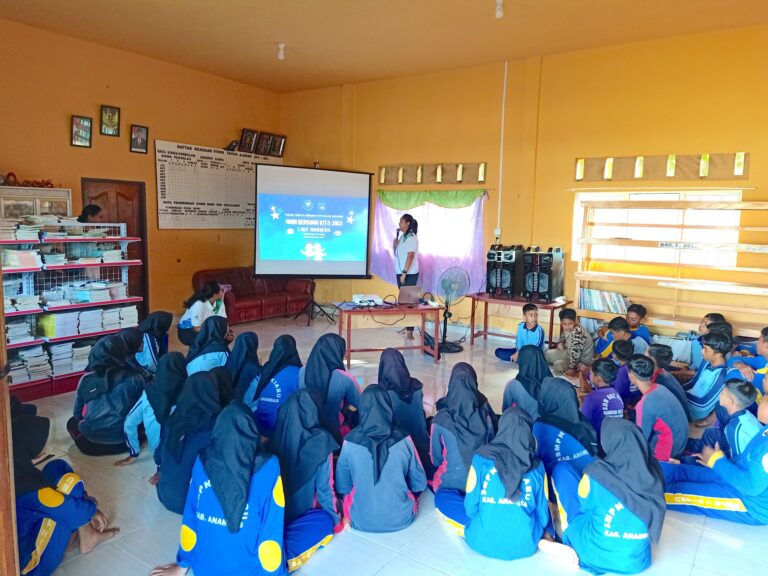
KELAUT, which stands for Kelas Alam dan Laut (Nature and Marine Class) is the latest activity under our marine conservation program that educates schoolchildren in Anambas villages.
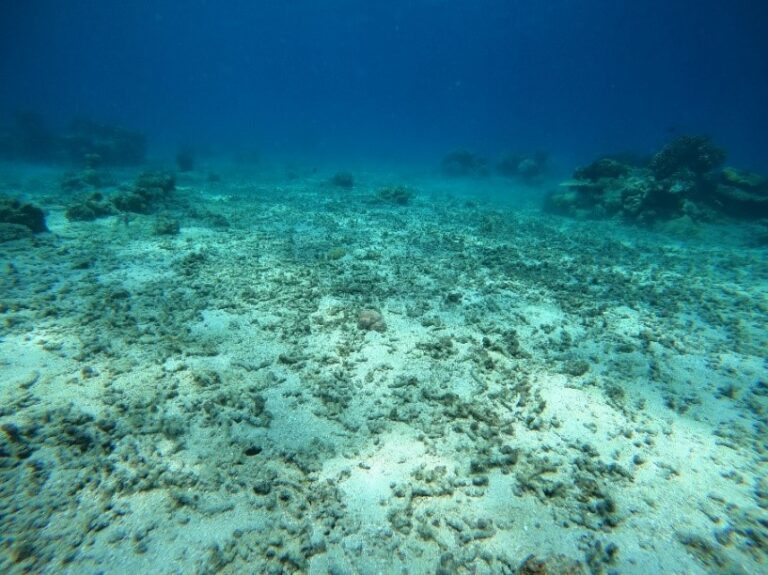
Blast fishing is a prevalent and serious issue in Indonesia, an archipelagic country with rich marine biodiversity.
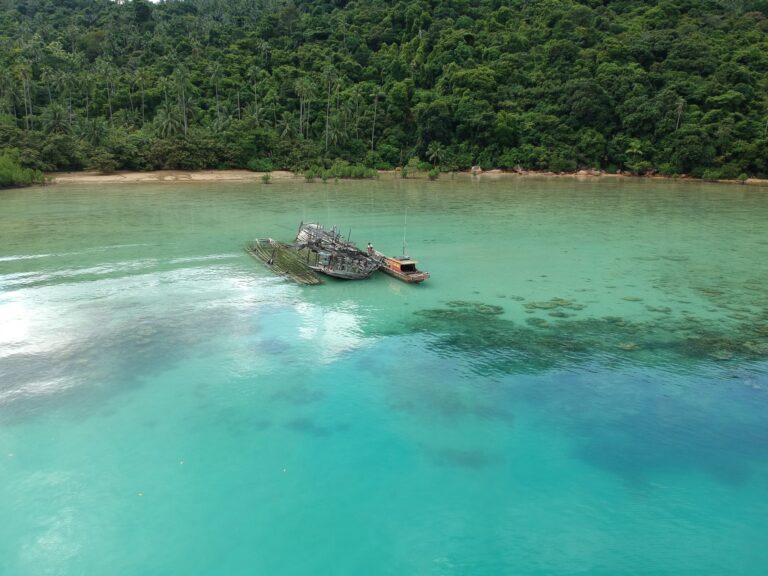
1.2 hectares of the regency’s area have been designated as a Marine Protected Area (MPA), making Anambas one of the largest conservation areas in Indonesia.
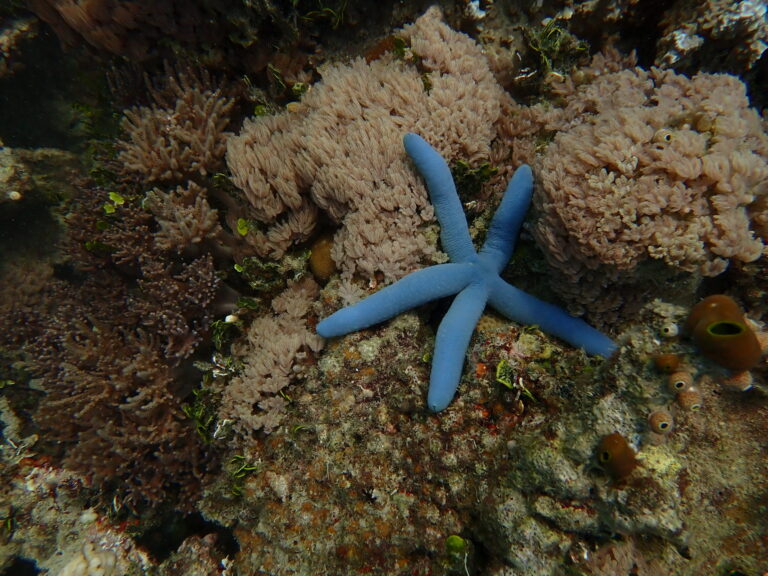
Organisms that live in the benthic zone are called benthos, the term itself comes from the Greek word meaning “depth of sea.”
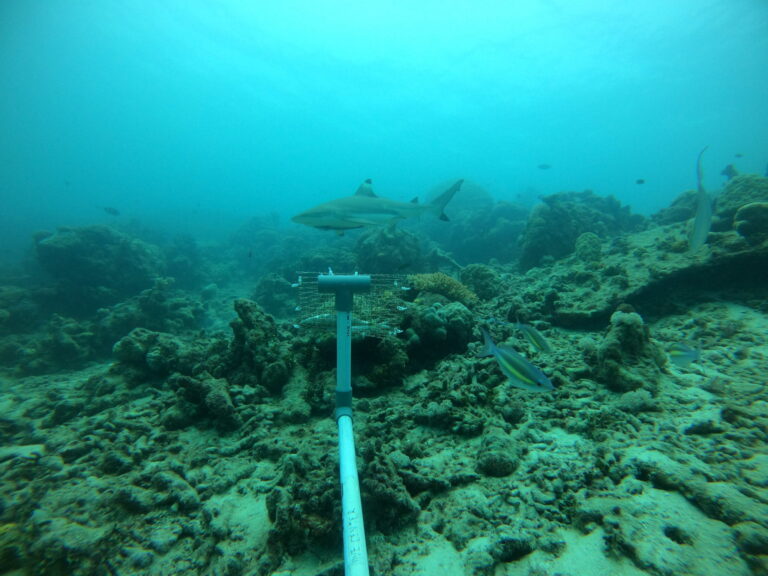
Should humans be scared of sharks and rays? Or should these marine animals fear us? Sharks do look scary with their menacing teeth and stares, and rays with their whip-like tails. But despite their intimidating appearances these two animals actually do not like to bother humans, let alone thinking of us as their prey.